Phishing: Preying on the Un-informed
You brush your teeth, you comb your hair, you pay
attention to
personal hygiene.Well, just as important, if not more so, is
practicing proper E-mail Hygiene.
Plain späm is easy to recognize in your inbox. The subject line is a dead giveaway with phrases such as "get Viagra", "Special Offer", "You have been selected" etc.). But when it comes to the so-called phishing scams that invade mailboxes web-wide it gets a bit trickier.
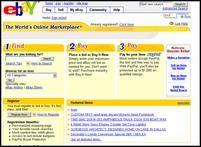
These emails are disguised as coming from major websites that you are familiar with, such as EBay, PayPal or even your own ISP (Internet Service Provider). When you open them you will be urged to click on a given link in order to 'update your account information'.
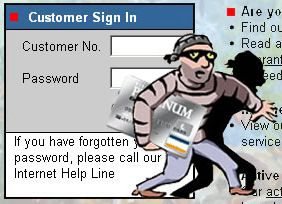
Maybe you are tired or distracted and automatically click on the link. You land on an official looking website prompting you to type sensitive personal information, passwords and credit card numbers into the boxes conveniently provided. STOP right then and there! Chances are that you are about to fall victim to a phishing scam leading up to identity theft and other disastrous consequences.
An ounce of prevention is worth a pound of cure: We strongly recommend that you adopt good email hygiene: sort out and DELETE each and every item which you do not immediately recognize as stemming from, or being related to, your prior correspondences. If you have the slightest doubt, resist your curiosity and hit the 'Delete Button' (that is what it's for).
If you accidentally delete a legitimate message from a service provider with whom you do business, do not panic: You will get the message when you sign on to the password-protected control panel of your established accounts.
Perpetrators of phishing scams often work in gangs of 5 or 6 members and are hard to track down and prosecute. In a recent case, however, a 29-year old British man was picked up and sentenced to four years in jail for stealing identities and bank details from over 100 Ebay users and defrauding them of a grand total of $360,000.
Until the offenders are caught and brought to justice, which may or may not happen, it falls to each individual net-citizen to stay informed and alert and to exercise caution when conducting any kind of financial transaction online.
.
[Read more about 'phishing' here.]
.
[See also: The impact of online fraud schemes on e-Commerce]
.
Labels: Amalgamated Perspectives, commerce, email, Internet
1 comment(s) so far - Click here to leave your feedback: We want to hear from you